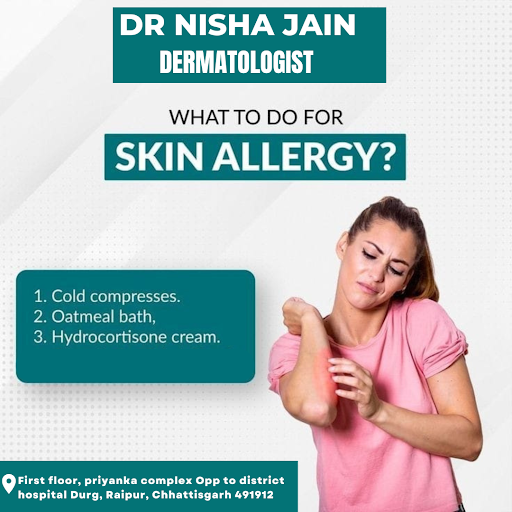
1. Immediate Relief
Avoid Scratching: To prevent worsening irritation and secondary infections. Cool Compresses: Apply a cold, damp cloth to the affected area for soothing relief. Over-the-Counter Remedies: Use antihistamine creams or oral antihistamines like cetirizine or diphenhydramine to reduce itching and inflammation. 2. Moisturize and Protect Use gentle, fragrance-free moisturizers to keep skin hydrated. Avoid harsh soaps, detergents, and cosmetics that may aggravate the allergy. 3. Identify and Avoid Triggers Common allergens include pollen, dust mites, certain fabrics, or chemicals in skincare products. Conduct a patch test for new products to check for allergic reactions. 4. Medical Treatment Topical Steroids: Mild to moderate corticosteroid creams can reduce inflammation. Prescription Medications: Severe cases may require stronger antihistamines or oral steroids. 5. Lifestyle Modifications Wear loose, breathable clothing to reduce irritation. Maintain a clean environment to avoid allergens like pet dander or mold. When to See a Doctor If the allergy persists, spreads, or shows signs of infection (redness, swelling, or pus), consult a dermatologist for tailored treatment.